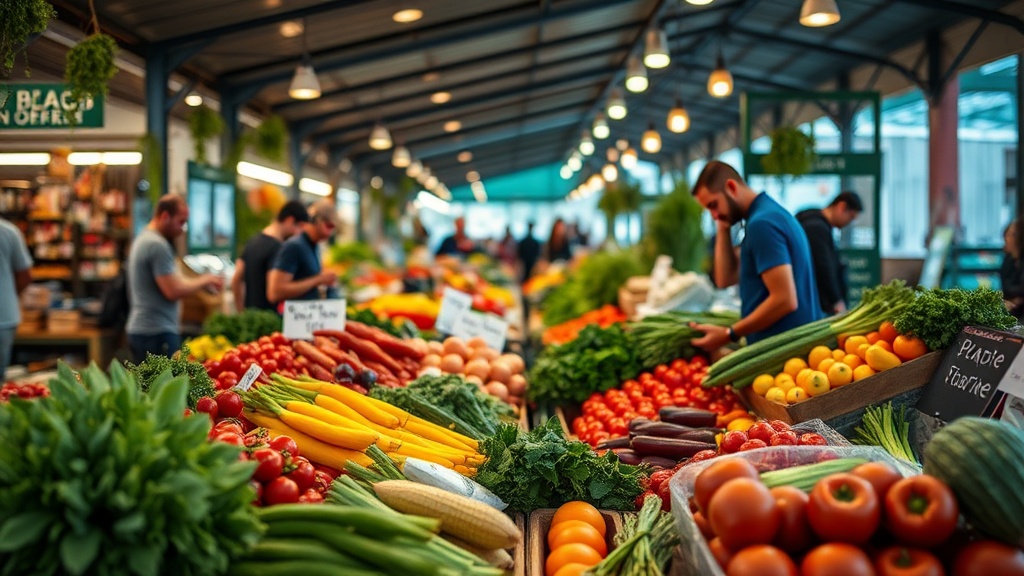
Finding the Best Seasonal Flavors at Our Local Farmers Markets

In this post, you'll learn how to identify the peak seasonal produce available at our local markets, how to spot high-quality artisanal goods, and when to visit to get the freshest picks. Understanding the seasonal rhythm of the Niagara region is the only way to truly enjoy the food we grow right in our backyards.
Living in Niagara-on-the-Lake, we have a massive advantage. We aren't just a tourist destination; we are a food destination. When you shop at a local market, you aren't just buying a bag of apples—you're buying the literal result of this year's weather and soil. It's a different level of quality than what you'll find in a standard grocery store aisle.
What is in season in Niagara right now?
The availability of produce depends entirely on the current month and the specific microclimate of the Niagara Peninsula. Right now, our focus shifts from the heavy summer harvests of stone fruits to the hardy autumn vegetables and orchard fruits. If you want to know exactly what is growing where, checking the Ontario Ministry of Agriculture, Food and Rural Affairs website can give you a broader look at provincial trends, but local knowledge is even better.
During the spring, we look for ramps, asparagus, and early greens. By mid-summer, the heavy hitters arrive: peaches, cherries, and tomatoes. As we move into the fall, the heavy-duty crops take over—pumpkins, squash, and apples. It's a cycle that never really stops, just changes its flavor profile.
Here is a quick breakdown of what to look for throughout the year:
| Season | Primary Produce | Local Specialty |
|---|---|---|
| Spring | Asparagus, Radishes, Green Onions | Wild Leeks (Ramps) |
| Summer | Peaches, Strawberries, Heirloom Tomatoes | Sweet Corn |
| Autumn | Apples, Pumpkins, Hard Squash | Hard Cider & Maple Syrup |
| Winter | Root Vegetables, Cabbage, Apples | Preserved/Fermented Goods |
Don't expect much in the way of berries in January. If you see them at a market in February, they likely traveled a long way. Stick to the root vegetables and anything preserved by our local makers during the colder months.
How do I know if the produce is high quality?
High-quality produce at a farmer's market is identified by its scent, weight, and color intensity. If you're buying a peach, it shouldn't just look good; it should smell like a peach from three feet away. If it lacks scent, it's likely been picked too early or traveled too far.
When you're at the stalls, don't be afraid to look closely. For example, when buying leafy greens like kale or swiss chard, look for vibrant, deep colors and firm stems. If the leaves are wilting or yellowing, leave them. You want that crispness. This is a big part of why farmers' markets are superior to supermarkets—the turnover is much faster, so the products haven't been sitting in a refrigerated truck for a week.
A quick tip: weight matters. A heavy tomato usually means it's juicy and ripe. A heavy melon is a good sign, too. If a vegetable feels light or hollow, it's probably dehydrated or past its prime.
The Art of the "Small Batch" Find
It isn't just about the vegetables. The real magic happens in the artisanal goods—the things that aren't just "food" but "craft." I've found that the best items are often the ones that aren't mass-produced. Think of small-batch honey, hand-pressed oils, or small-run jams. These items are often more expensive than the supermarket versions, but the difference in flavor is night and day.
If you're looking for a great breakfast or a treat to go with your market finds, you might want to check out my post on where to find the best coffee and morning treats in Niagara-on-the-Lake. It's the perfect way to round out a Saturday morning.
How much should I expect to pay for local goods?
You will generally pay a premium for local, organic, or artisanal goods compared to big-box grocery store prices. Expect to pay more for a pint of strawberries in June than you would for a generic container of berries at a discount grocer. However, you are paying for the lack of pesticides, the shorter transport time, and the support of our local economy.
Here is a realistic look at what to budget for a typical market haul:
- Seasonal Fruit (Pint/Basket): $5.00 - $8.00
- Fresh Leafy Greens (Bunch): $3.00 - $5.00
- Artisanal Cheese (Small Wedge): $8.00 - $15.00
- Fresh Sourdough Loaf: $6.00 - $10.00
- Local Honey (Jar): $10.00 - $18.00
It's worth noting that prices fluctuate based on the harvest. A bumper crop of peaches might drive prices down, while a late frost can make them much more expensive. Always bring more cash than you think you'll need—while many vendors now take card, having small bills makes things much smoother.
One thing I've learned: don't be afraid to ask the farmer. Most of these people are incredibly knowledgeable. If you aren't sure how to cook a certain type of squash or how long a certain berry will last in your fridge, just ask. They love talking about their work (and it's a great way to build a relationship for future visits).
The quality of the food we eat is directly linked to how we treat our local land. When we shop here, we are voting for the survival of these small farms. It's a small act, but it's a powerful one.
If you're already thinking about your next meal, you might be interested in why local grocery shopping in Niagara-on-the-Lake matters more than you think. It goes much deeper than just flavor—it's about the entire ecosystem of our community.