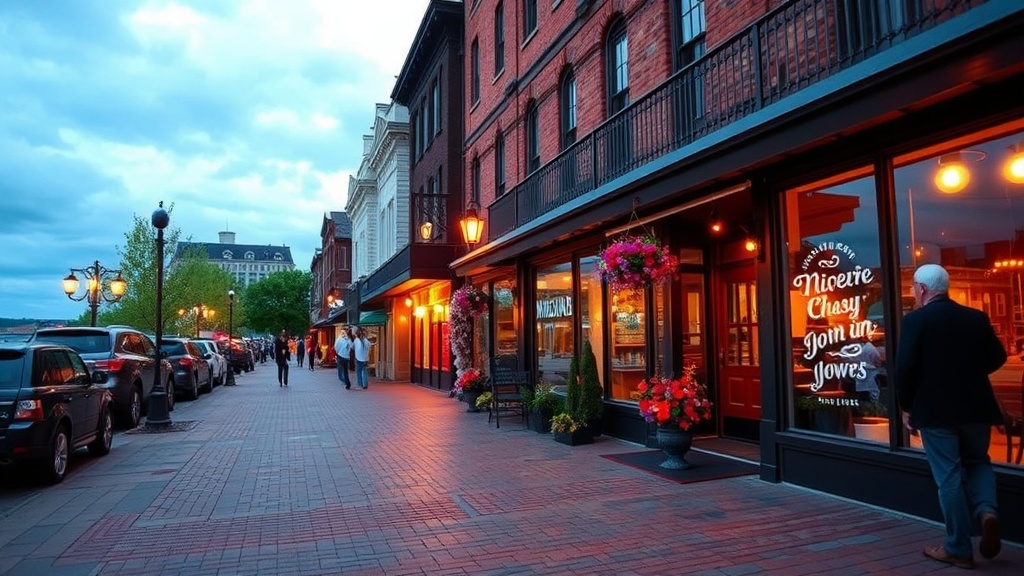
The One Simple Trick to Experience Niagara-on-the-Lake Like a Local (Not a Tourist)

Most people visit Niagara-on-the-Lake the same way: they park, wander Queen Street, pop into a few shops, maybe book a winery, and call it a day. It’s pleasant—but it barely scratches the surface.
Here’s the truth: if you want to actually feel this town, not just see it, you need to shift one thing. Not your budget. Not your itinerary. Your timing.
The trick is simple: go early, stay late, and ignore the midday crowd.
Why Timing Changes Everything Here
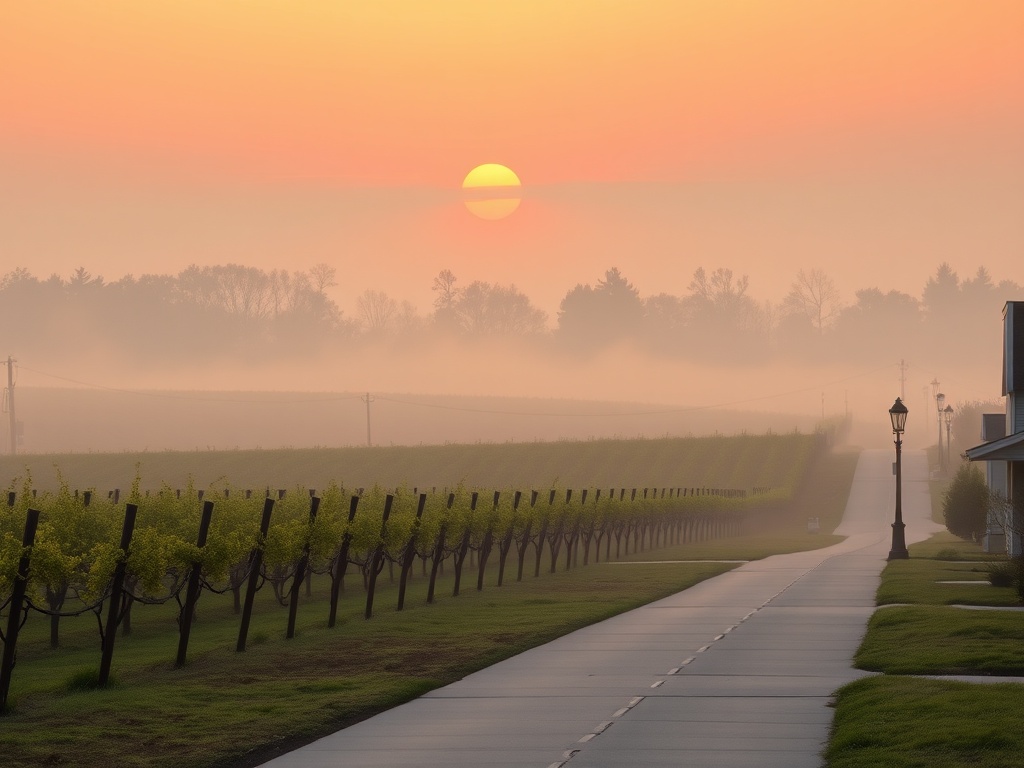
Niagara-on-the-Lake operates in waves. Midday—especially in peak season—is when tour buses, wine shuttles, and weekend crowds converge. That’s when the town feels busiest, loudest, and frankly, least charming.
But before 10 a.m. and after 6 p.m.? It’s a completely different place. Locals are out walking dogs. Café owners actually have time to chat. You can hear the lake, the wind, and your own footsteps.
This isn’t a subtle difference—it’s the difference between a curated tourist stop and a lived-in town.
Morning: The Version of Town Most Visitors Miss
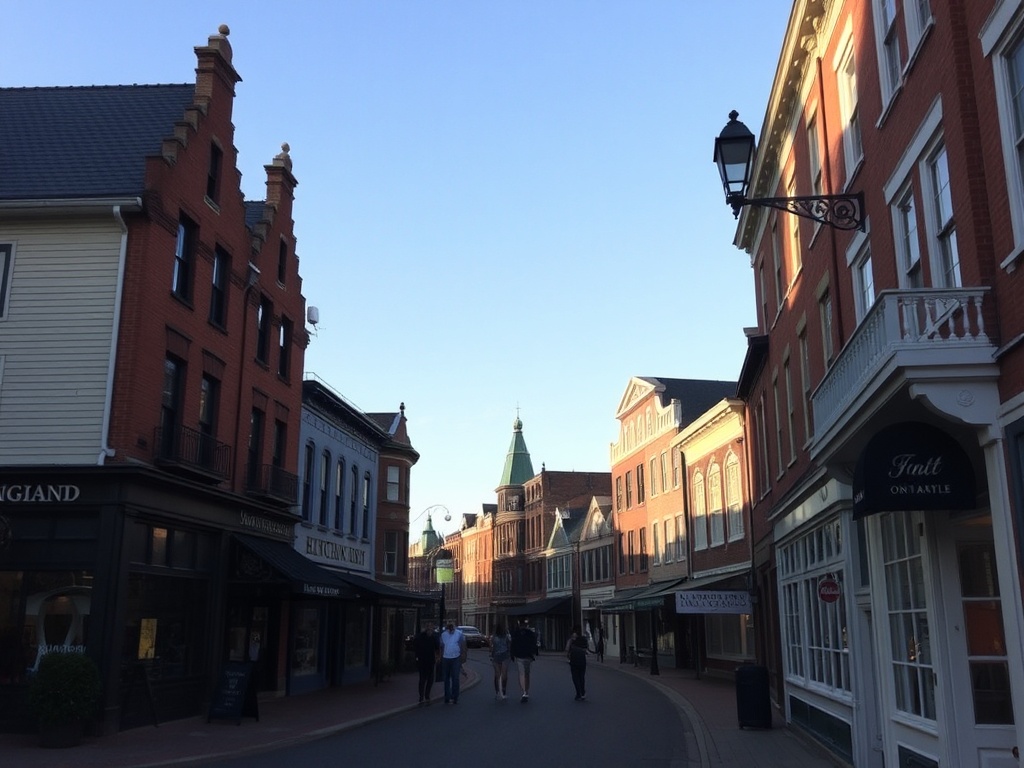
If you arrive early, start with a slow walk—not a checklist. Queen Street is still worth seeing, but without the crowds, you’ll notice details: the architecture, the gardens, the way shopkeepers set up for the day.
Grab coffee somewhere small. Skip the line-heavy spots and look for places where locals are already sitting. If you see the same people greeting each other by name, you’re in the right place.
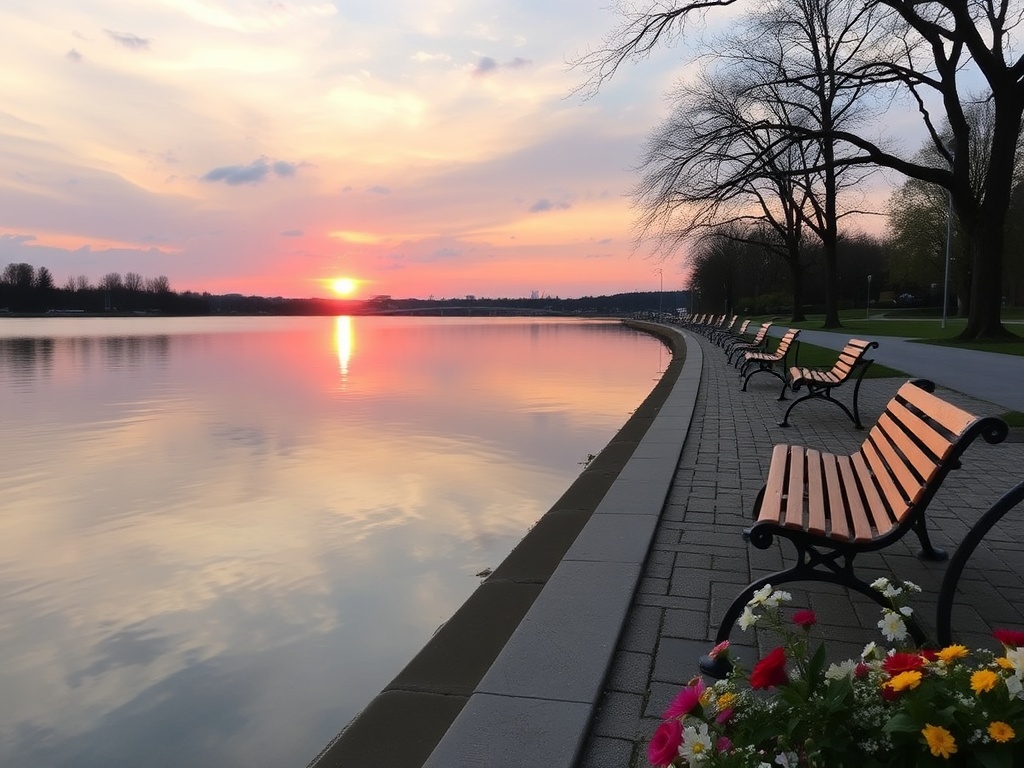
Then walk toward the lake. The shoreline near Queen’s Royal Park feels almost cinematic in the morning. Clear views, minimal noise, and that calm you don’t get later in the day.
This is when Niagara-on-the-Lake feels like a town, not a destination.
Midday: Be Strategic or Get Stuck in the Crowd
You don’t need to avoid midday—you just need to use it differently.
This is the time to leave the core. Head out to wineries, quieter side streets, or nearby cycling routes. The region beyond the main strip is where Niagara-on-the-Lake shows its personality.
If you’re doing wineries, pick one or two and actually stay a while. The mistake people make is rushing through tastings like it’s a checklist. Sit down. Order something small. Let the pace slow down.
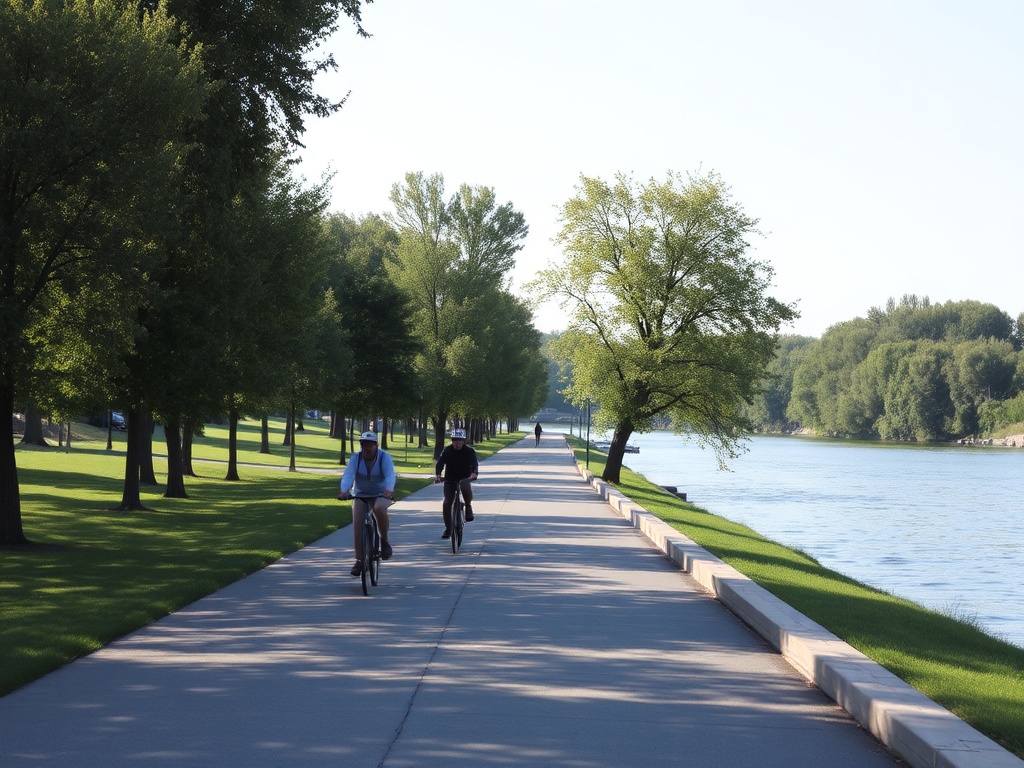
Alternatively, rent a bike and follow the Niagara River Parkway. It’s flat, scenic, and far less crowded than the downtown core at peak hours.
Evening: When the Town Finally Breathes Again
By early evening, something shifts. Day-trippers leave, parking opens up, and the town exhales.
This is the best time for dinner—not just because reservations are easier, but because the atmosphere changes. Restaurants feel calmer. Staff are less rushed. You can actually enjoy the space.
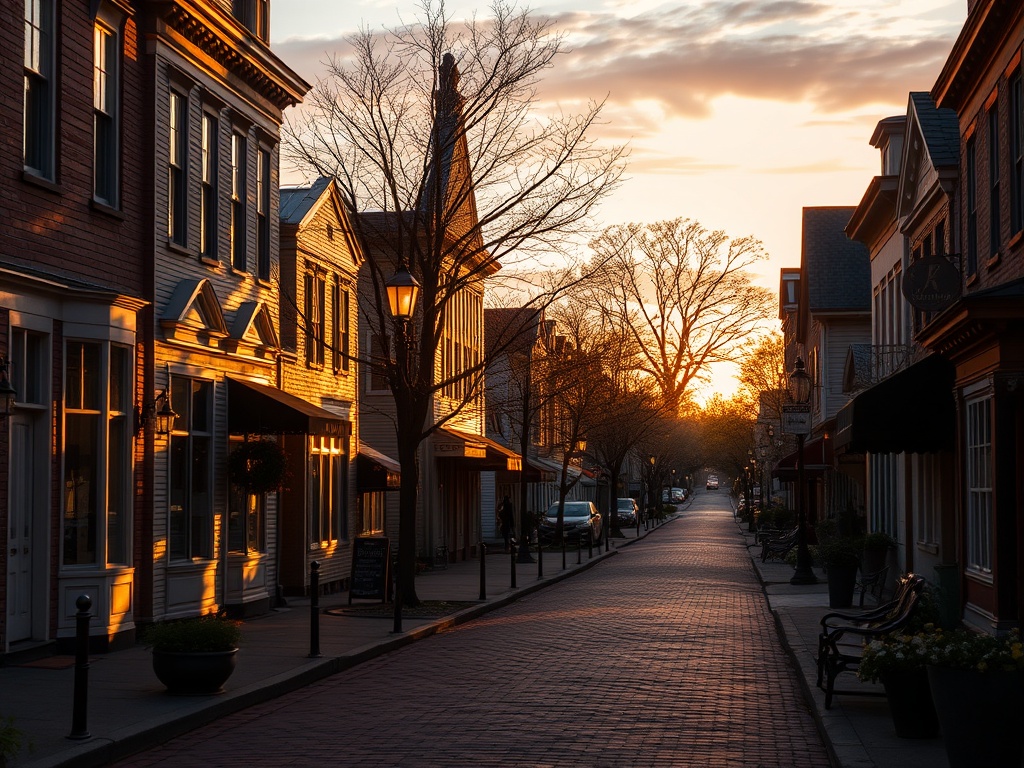
After dinner, walk again. Same streets, different energy. The golden hour light hits the historic buildings just right, and everything feels slower, softer, and more personal.
If you do one thing, make it this: don’t leave after dinner. Stay for that quiet stretch when the town starts to empty out.
What Locals Actually Do (And Don’t Do)
Locals don’t rush through Niagara-on-the-Lake. They don’t try to “see everything” in one pass. They repeat places. They linger. They build routines.
They also avoid peak hours whenever possible. That’s not accidental—it’s how you preserve the experience.
If you follow the same pattern—early start, midday escape, slow evening—you’ll notice something: you stop consuming the town and start being in it.
And that’s the whole point.

Practical Tips to Make This Work
- Arrive before 9:30 a.m. in peak season. Earlier if you can.
- Park once and walk in the morning—don’t bounce around.
- Leave the core between 11 a.m. and 4 p.m. to avoid the busiest window.
- Book dinner after 6:30 p.m. for a calmer experience.
- Stay until at least sunset—this is non-negotiable if you want the best version of the town.
None of this requires extra money or complicated planning. It’s just about aligning with how the town actually flows.
The Payoff: A Completely Different Experience
Most visitors leave Niagara-on-the-Lake thinking it’s pretty, polished, and a bit crowded.
Follow this one shift in timing, and you’ll leave with something else entirely: a sense of place. You’ll remember quiet streets, real conversations, and moments that didn’t feel staged.
Same town. Different experience.
And once you’ve seen it that way, it’s hard to go back.