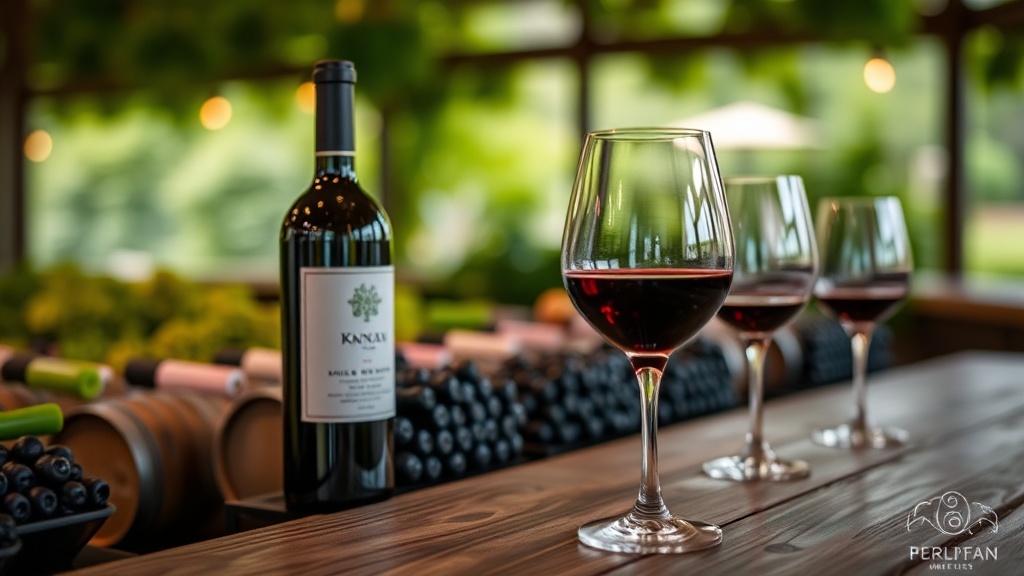
Picking the Perfect Bottle at a Local Winery

A group of friends stands in a sun-drenched tasting room in Niagara-on-the-Lake, staring blankly at a wall of labels. They want something special for a dinner party, but the sheer volume of Riesling, Chardonnay, and Cabernet Franc options feels overwhelming. They end up picking a bottle based purely on a pretty label, only to realize later it doesn't suit the meal they planned. This post helps you avoid that exact mistake by teaching you how to select the right bottle for any occasion, whether you're at a winery tasting room or a local boutique shop.
Choosing a bottle in our region requires a bit of local knowledge. We aren't just any wine region; our microclimate—thanks to the proximity to Lake Ontario—creates specific profiles that differ from the rest of the world. If you know what to look for, you'll stop guessing and start selecting with confidence.
How Do I Choose the Right Wine for the Weather?
You should pick lighter, high-acid white wines during the humid Ontario summers and fuller-bodied reds when the Niagara air turns crisp in the autumn. Temperature and humidity change how we perceive flavor, and our local wines are built for these shifts.
When the thermometer hits 30°C, a heavy red can feel cloying and exhausting. Instead, look for a crisp, bone-dry Riesling. Our local Rieslings—often produced by estates like Peller Estates or Inniskillin—are world-renowned for their acidity and ability to refresh the palate. They cut through the heat.
On the flip side, when you're sitting by a fire in November, you want something with structure. A Cabernet Franc or a Pinot Noir provides that warmth without being overly heavy. These wines have enough "grip" to stand up to the cooling temperatures of a Niagara autumn.
Here is a quick reference for seasonal pairing:
| Season | Ideal Wine Profile | Common Local Varieties |
|---|---|---|
| Summer | High acidity, light-bodied, crisp | Riesling, Pinot Grigio, Sauvignon Blanc |
| Autumn | Medium body, earthy, structured | Pinot Noir, Cabernet Franc |
| Winter | Full-bodied, rich, high tannins | Merlot, Chardonnay (Oaked) |
It’s worth noting that even a "heavy" wine can be enjoyed in summer if it's served at the perfect temperature (slightly chilled, of course). But generally, matching the weight of the wine to the weight of the air makes for a much better experience.
What Are the Best Niagara Wines for Beginners?
Beginners should start with approachable, fruit-forward varieties like Pinot Grigio or a soft Merlot to build a foundation of flavor recognition. These wines tend to have less "edge" and are easier to enjoy without a formal education in viticulture.
If you're new to the scene, don't feel pressured to jump straight into a complex, aged Chardonnay. Start with something bright. A fruit-forward white or a light-bodied red will give you an immediate sense of why our region is so special. You want to experience the fruit first, then the complexity later.
A great way to practice is to visit a tasting room and ask the sommelier for a "benchmark" bottle. This is a wine that represents the standard for that specific grape in the Niagara Peninsula. It gives you a baseline to compare other wines against.
To get a better sense of the technical side of what makes these wines, you can check out the Niagara Peninsula geography on Wikipedia, which explains how our soil and lake influence the grapes. Understanding the land helps you understand the glass.
If you're looking for a way to spend an afternoon soaking in the local culture, you might want to experience the area like a local rather than just a tourist. It makes the learning process much more enjoyable.
How Much Should I Expect to Pay for a Quality Bottle?
Expect to pay between $25 and $50 for a high-quality, everyday bottle from a reputable Niagara winery, though premium selections can easily exceed $100. Price is often an indicator of both the quality of the fruit and the aging process used.
In our local shops, you'll see a wide range of price points. Here is how to categorize them so you don't overspend or settle for something mediocre:
- The Entry Level ($15–$25): These are usually meant to be enjoyed young. They are fresh, bright, and perfect for a casual Tuesday night or a summer picnic.
- The Mid-Tier ($30–$55): This is the "sweet spot" for gifts or dinner parties. These wines often have a bit more complexity—perhaps a touch of oak or a longer aging period—and show the true character of the vineyard.
- The Premium Tier ($60+): These are your "special occasion" bottles. We're talking about reserve wines or highly aged varietals. These require patience and are best enjoyed when the occasion warrants it.
Don't assume a higher price always means a better taste for your palate. A $80 bottle of heavy Cabernet might taste much worse to you than a $25 bottle of bright Riesling if you prefer acidity over tannins. Price is about prestige and aging potential, not necessarily your personal enjoyment.
If you're buying for a gift, the mid-tier is your safest bet. It shows you've put thought into the purchase without looking like you're trying too hard (or overspending unnecessarily). It's the gold standard for local gifting.
When you're out and about, remember that the best way to learn is to keep a small notebook. Note the name of the winery, the grape, and one thing you liked about it. It’s a simple way to build your "wine map" of the region.
For more tips on enjoying your time in town, such as finding the perfect spot to enjoy a glass, check out our guide on how to grab the best table at the waterfront. There's nothing quite like a sunset and a glass of local wine to wrap up a day.
The next time you find yourself standing in a tasting room, don't panic. Look at the weather, consider your budget, and don't be afraid to ask questions. The people making these wines are some of the most passionate people in Ontario—they actually want to help you find something you'll love.
Steps
- 1
Identify Your Flavor Profile
- 2
Ask the Sommelier About Terroir
- 3
Check the Vintage for Regionality
- 4
Match the Price to the Occasion